

static-aside-menu-toggler
  • Services
  • Why Us
  • About
  • Get Started

Building a Care-First Corporate Wellness Program

corporate-business-team-meeting-with-a-manager-or-2025-01-15-16-23-25-utc

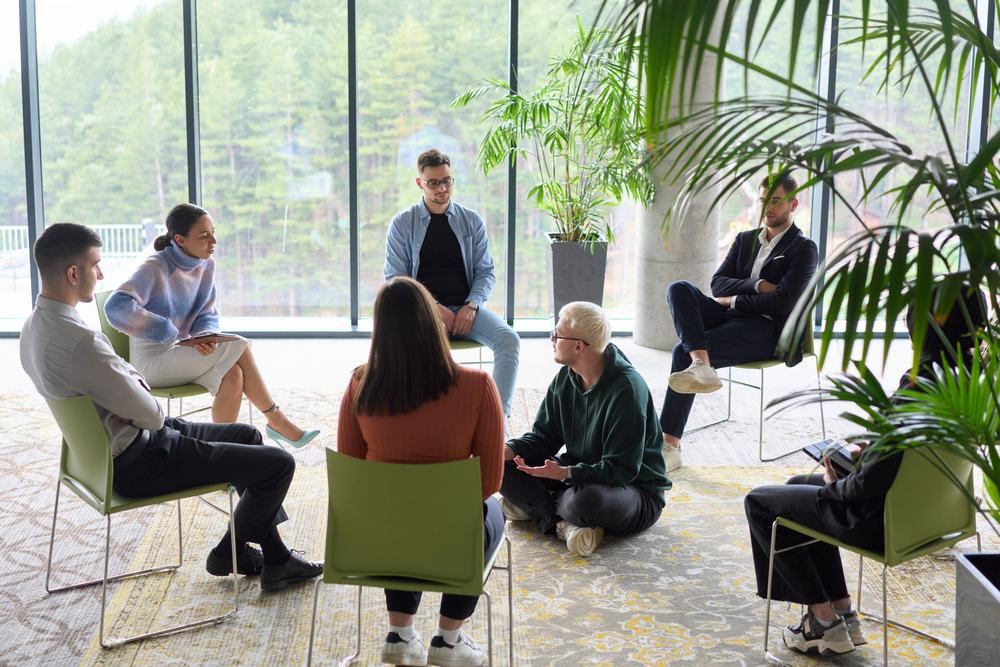
A care-first wellness program begins with the recognition that well-being is not a perk—it is an operational strategy. Organizations that depend on human judgment, empathy, and precision cannot afford chronic depletion. The first task, then, is assessment: map real stress points, not just surface symptoms. Look at workload patterns, exposure to secondary trauma, administrative burdens, and the clarity of roles and boundaries. When you understand the drivers, you can design interventions that match the risks.

Interventions should layer individual tools with team practices and system adjustments. Small-group retreats build regulation and relationship skills quickly; manager coaching aligns leadership behaviors with wellness goals; referral pathways address clinical needs that training cannot. This tiered design keeps the program from becoming performative. People can feel when care is cosmetic versus operational. Give them options that honor privacy, timing, and cultural nuance.


Continue reading

Why Small-Group Retreats Work for Service Providers

garden-lodge-glamping-and-happy-friends-at-cabin-2025-04-06-07-36-03-utc

Service providers live in a constant tension between compassion and capacity. Caseloads mount, crises don't schedule themselves, and personal recovery often falls to the bottom of the list. While large conferences can be energizing, they rarely create space for the kind of honest, nuanced processing that translates into daily change. Small-group retreats, by contrast, are built for depth. In cohorts of 15–20 participants, people can tell the truth about the work, surface the real barriers to wellness, and practice new skills without the pressure of a crowd.

The intimacy of a small group allows participants to engage with material that is both emotionally charged and operationally specific. A probation officer, a school psychologist, and a charge nurse face different stressors, yet share a common arc of moral injury, decision fatigue, and role ambiguity. In a smaller setting, facilitators can adapt scenarios, language, and exercises so the tools feel immediately relevant. That specificity matters because people will only use what they believe fits their world.

Continue reading

Designing Children’s Camps that Build Resilience

coworkers-playing-with-a-ball-during-a-break-in-th-2025-06-10-08-27-10-utc

Resilience is not a temperament; it is a set of practiced skills developed in safe, consistent relationships. Camps are uniquely positioned to cultivate those skills because they offer a rhythm of predictable routines, supportive peers, and caring adults. When a child arrives to the same opening circle each day, knows they'll move, create, and reflect, and trusts that adults will help them repair after conflict, anxiety lowers and exploration begins.

The daily structure should balance energy. Start with movement to discharge jitters and build play-based connection. Transition into creative work where emotions can be expressed symbolically—through art, music, or storytelling—before introducing short social-emotional lessons. These mini-lessons, taught in simple language, normalize feelings and give children concrete tools for naming sensations, asking for help, and choosing safe strategies when overwhelmed.

Continue reading

Building a Care-First Corporate Wellness Program

Corporate Wellness Program

A care-first wellness program begins with the recognition that well-being is not a perk—it is an operational strategy. Organizations that depend on human judgment, empathy, and precision cannot afford chronic depletion. The first task, then, is assessment: map real stress points, not just surface symptoms. Look at workload patterns, exposure to sec...

Continue reading

Why Small-Group Retreats Work for Service Providers

Why Small-Group Retreats Work for Service Providers

Service providers live in a constant tension between compassion and capacity. Caseloads mount, crises don't schedule themselves, and personal recovery often falls to the bottom of the list. While large conferences can be energizing, they rarely create space for the kind of honest, nuanced processing that translates into daily change. Small-group re...

Continue reading